Technology in service of human connection.
We use digital tools the way a great healthcare worker uses a stethoscope, quietly, skilfully, and always in service of the person in front of them.
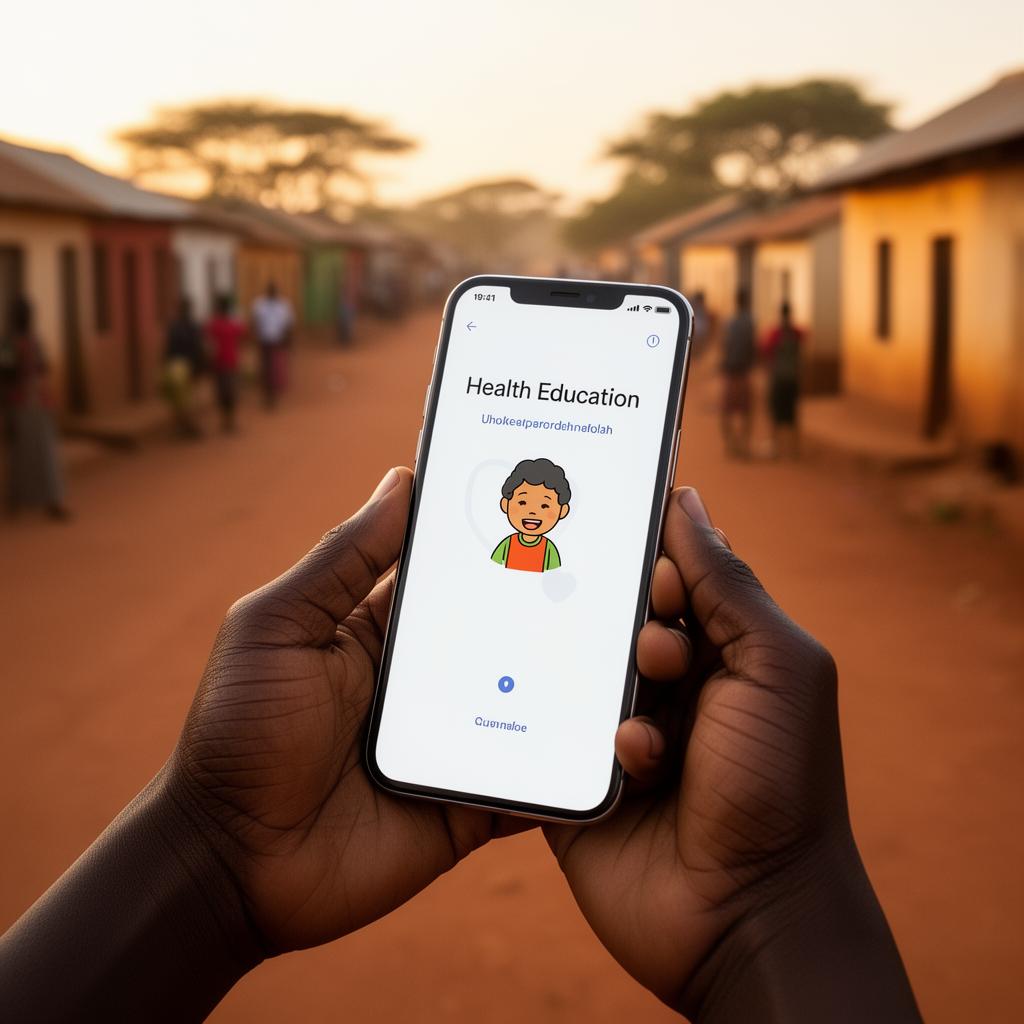
Our research begins with conversations.
Laboratory science is vital to understanding and treating epilepsy. Our part of the work happens in communities, building on that science so it reaches the families who need it. Every tool we build is co-designed with the people it is meant to serve: people living with epilepsy, their caregivers, and health workers of every cadre, from community health volunteers to nurses, clinical officers, pharmacists, doctors and policymakers.
The result is care that travels at the speed of a phone signal and the warmth of a neighbour's voice.
How the model works in practice
Mobile-first education
Bite-sized epilepsy content built for the phones people already carry, works on basic Android, low data, and in local languages.
Conversation, not broadcast
We answer real questions from real caregivers and patients, and turn those answers into resources others can use.
Trusted local voices
Community health promoters, nurses, clinical officers, doctors, pharmacists and teachers are the messengers, because trust is built face to face before it scales online.
Workforce upskilling
Lightweight training that helps frontline healthcare workers confidently recognise, refer and support people with epilepsy.
Wayfinding to care
Clear guidance on what to do next, where to go, what to ask, and what good treatment should look like.
Safety and dignity
Privacy-respecting design, source-based information, and a stigma-aware tone. Medical review status is stated where confirmed.