
Phyllis W. Kimani
Founder & Director · Principal Investigator, Kenya
A pharmacist with over 15 years of experience in the UK and Kenya, leading multidisciplinary research and practical support for families affected by epilepsy.
We were founded on a simple belief: people living with epilepsy in Africa deserve information, support and treatment that fits the lives they actually lead.

NeuroReach Africa began with a question that wouldn't go away: why do so many people living with epilepsy across Africa go without the care that already exists? The medicine is here. The knowledge is here. What stands in the way is the distance between them and the people who need them most.
We are multidisciplinary and community-driven. Our work is grounded in rigorous research, but it does not stay in the lab. We use the digital tools people already trust, such as mobile phones, messaging and simple apps, to close that distance, one conversation at a time.
Our work is rooted in Kenya and growing across Africa. Our research has begun in Zimbabwe. We work alongside health workers of every cadre, families and communities.
From our home base in Kenya, our books are reaching children in Zimbabwe, Tanzania and Rwanda. Shona editions are in Zimbabwean schools and on sale in Harare; English and Kiswahili books are in Dar es Salaam classrooms. In Rwanda, young nurses and teachers pair our books with seizure first aid.
Books are on their way to Zambia, Ghana, The Gambia and Malawi, and Kiswahili storybooks are heading to the Democratic Republic of the Congo through our collaboration with ASLEK. French editions are coming soon.
Founder & Director · Principal Investigator, Kenya
A pharmacist with over 15 years of experience in the UK and Kenya, leading multidisciplinary research and practical support for families affected by epilepsy.

Consultant Psychiatrist & Mental Health Lead, Kenya
Brings specialist mental-health expertise to epilepsy care, including depression, anxiety and caregiver strain.

Technology & Digital Health Lead
Builds and safeguards the digital tools and research systems supporting our community-centred work.

Programme & Operations Manager, Kenya
Coordinates activities, budgets, workplans and reporting so commitments to communities translate into delivery.

Human Resources & People Operations Lead, Kenya
Supports recruitment, fair policies, staff welfare and the people-side of our growing multi-country team.

Pharmacist & Programme Coordinator, Zimbabwe
Works with local clinicians and people living with epilepsy to ground education and research in the Zimbabwean context.

Pharmacist & Research Associate, Zimbabwe
Supports the Zimbabwe programme and reviews evidence on the epilepsy treatment gap and its drivers.

Community Engagement & Field Coordinator, Kenya
Builds relationships with caregivers, community health promoters and frontline health workers.
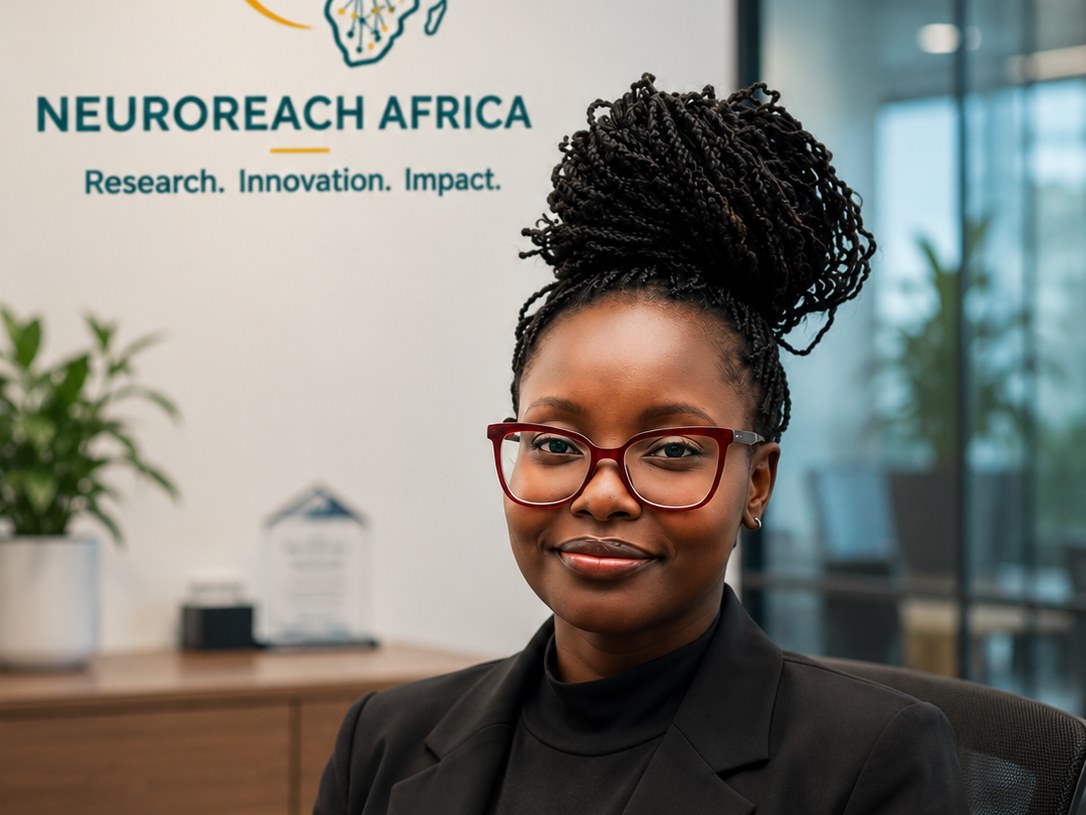
Research & Programme Associate, Kenya
Helps translate clinical evidence into plain-language epilepsy information in English and Kiswahili.
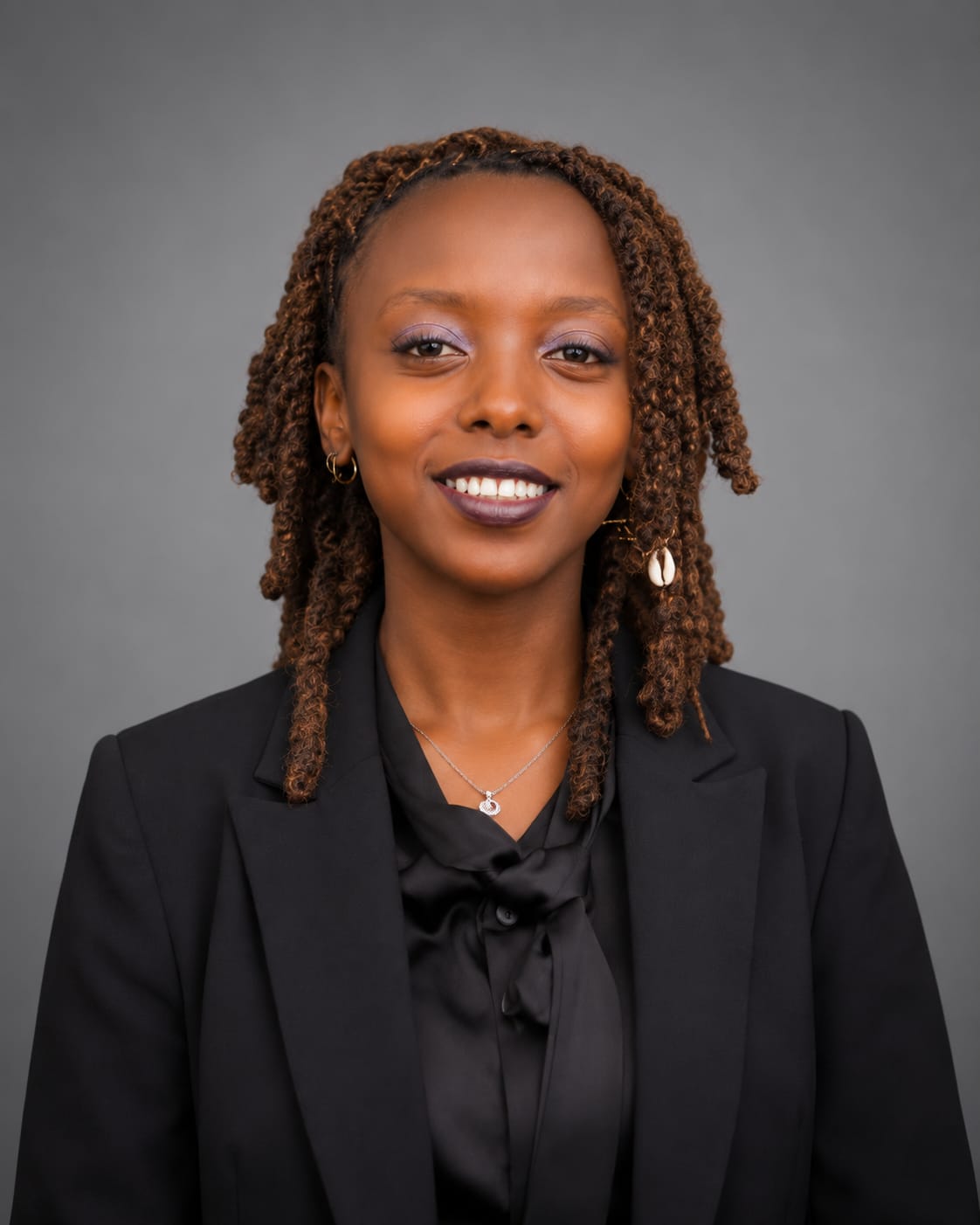
Social Media Manager
Creates people-centred communications that raise epilepsy awareness and connect with communities.

Transcription & Translation Lead, Kenya
Keeps bilingual research faithful to participants through English and Kiswahili translation and transcription.

Administration & Operations Coordinator, Kenya
Keeps schedules, documents, travel and logistics running smoothly for office and field teams.
In sub-Saharan Africa, an estimated 80% of people with epilepsy never receive the treatment they need. The reasons are stigma, distance, cost and a shortage of trained healthcare workers, not a lack of effective medicine.
Science gives us the treatments; closing the gap starts with a conversation, between a caregiver and a health worker, a patient and a peer, a community and the information it has been waiting for.
Mobile phones reach further than clinics. Caregivers know things doctors don't. Communities heal what stigma broke. We combine those three truths into a model of care that is human first, and digital by design.