Real-world research, designed with the people it serves.
Our research is community- and technology-focused, complementing laboratory and clinical science. Our main work is in Kenya, our research has started in Zimbabwe, and we plan to grow into other African countries and beyond.
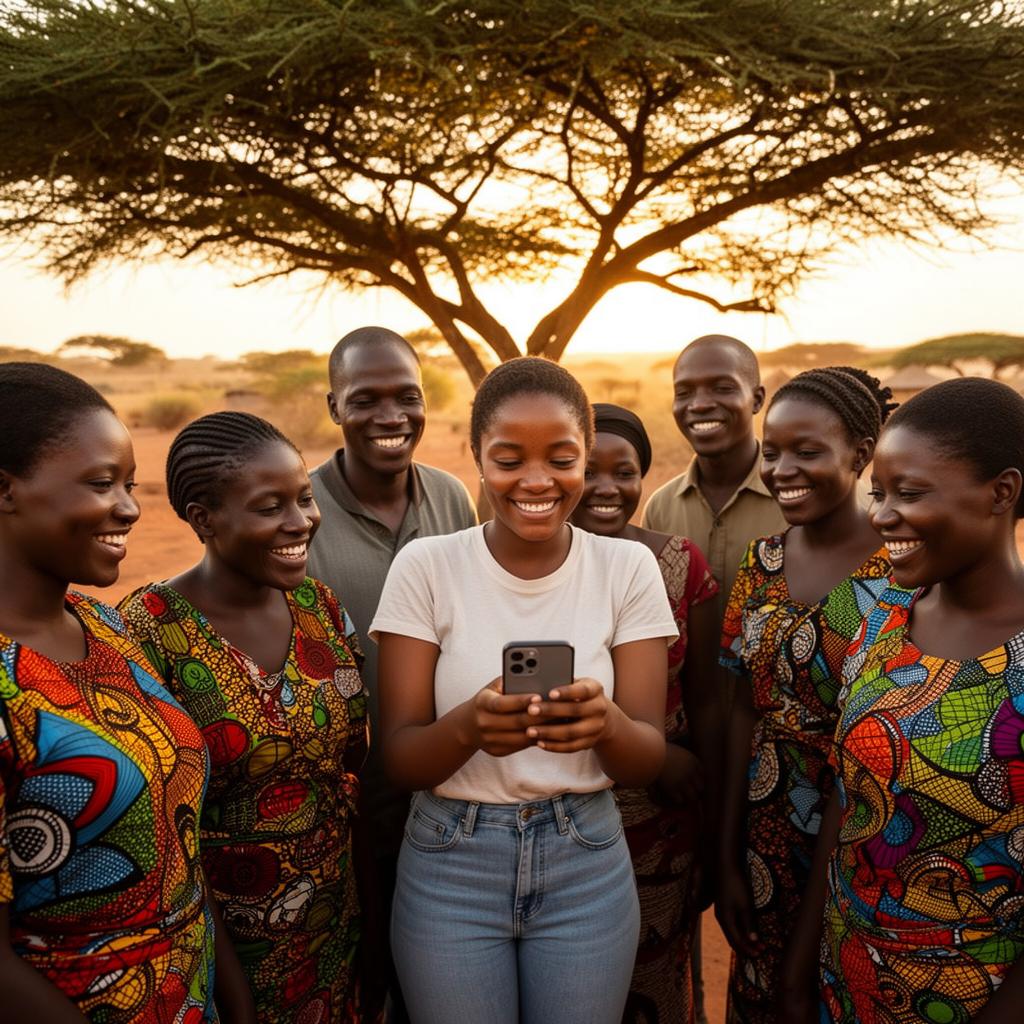
Listening first. Building second. Scaling carefully.
Our current programme of work is a pilot, a deliberate, careful first phase designed to understand what people living with epilepsy in Kenya and Zimbabwe actually need from digital support, and what kinds of tools they will trust and use.
Our work complements laboratory and clinical science. We focus on conversations, co-design workshops, and small structured studies with patients, caregivers and health workers of every cadre in real community settings.
Kenya is our home base and Zimbabwe is where our research has begun. As our pilots mature, we plan to extend our model across Africa and beyond, always co-designed with the communities they serve.
What we're working on right now
Two research arms
- 1. Healthcare-worker awareness of emerging therapiesExploring how aware healthcare workers are of emerging treatment options for difficult-to-treat (drug-resistant) epilepsy, and the barriers to accessing them.
- 2. Bilingual digital caregiver supportPiloting a bilingual digital tool that gives caregivers of people living with epilepsy practical information and support.
Our Innovation in Epilepsy Support study has been approved by the Kenya Medical Research Institute (KEMRI) Scientific and Ethics Review Unit (SERU), September 2026.
Co-designing digital epilepsy education
Working with people living with epilepsy, caregivers and frontline healthcare workers to co-design plain-language, mobile-first epilepsy content that fits Zimbabwean cultural and linguistic context.
Principles behind every study
Co-designed
Patients, caregivers and frontline workers help shape every research question we ask.
Community-rooted
We do our work in homes, schools, pharmacies and community spaces, not behind clinic walls.
Practical evidence
We measure what matters to people: understanding, confidence, continuity of care.
Where our work has been presented
Our findings travel from the community to the conference floor, and back again.
AES 2026 Annual Meeting
Poster accepted, sharing insights from our community- and technology-focused approach to closing the epilepsy treatment gap.
ILAE British Branch Annual Scientific Conference 2026
Poster: Emerging Epilepsy Therapies in Kenya, Healthcare-Worker Readiness, Awareness & Access Barriers.
46th PSK Annual Scientific Conference
Showcasing digital solutions for epilepsy care to the Pharmaceutical Society of Kenya.
Research that becomes practice
We have visited 93 primary schools with a combined population of 73,801 pupils, and donated 1,040 booksthanks to our generous donors. Teachers received seizure first aid sessions at every school; this is not a count of pupils individually trained.
See our work in schools →The approval is secured. Now help us take it from paper to impact.
With KEMRI SERU approval in hand, our Innovation in Epilepsy Support study is ready to move. We are seeking funders and partners to bring this research to the communities where the epilepsy treatment gap is widest.